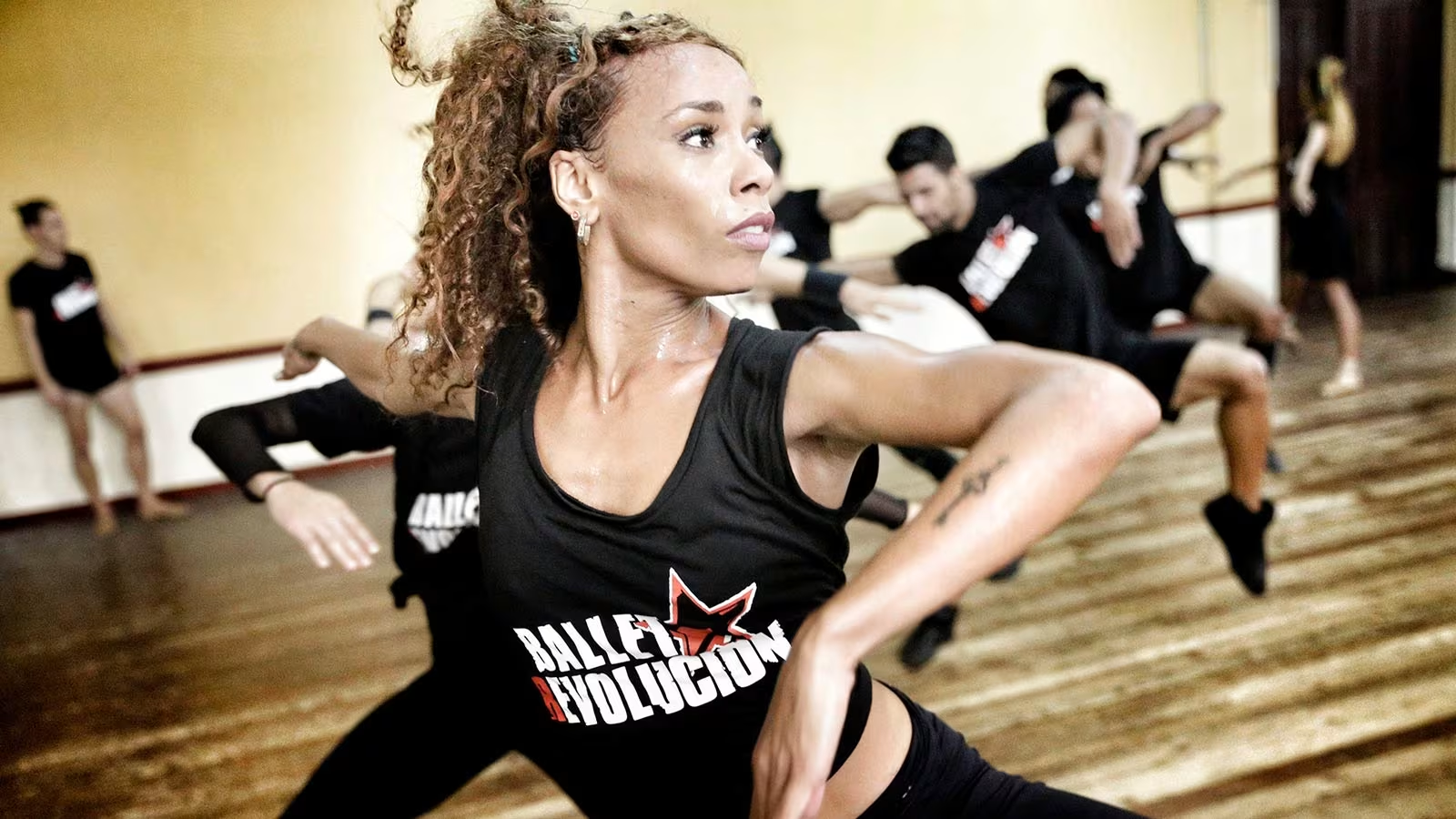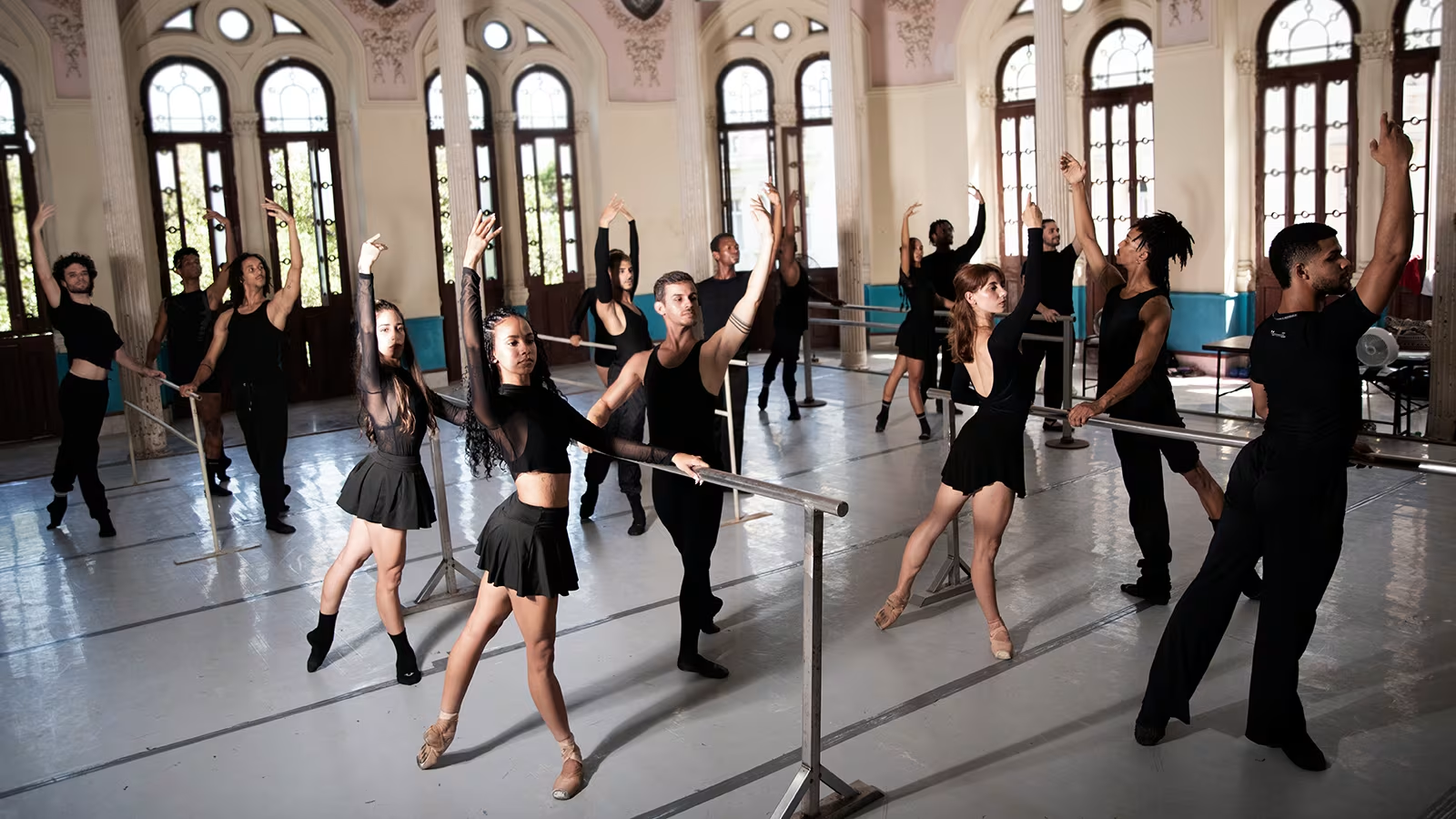


Modern dance, ballet, traditional Cuban dance, street dance: In BALLET REVOLUCIÓN, different dance styles come together to form an explosive and equally unique blend. While professional dancers anywhere in the world could combine these elements, BALLET REVOLUCIÓN wouldn’t emerge just anywhere. Only in Cuba does that magical ingredient exist that forms a very special unity: the Cuban sense of the body and movement.
Most dancers dance to the music, but Cubans dance within it.Aaron Cash, choreographer of BALLET REVOLUCIÓN
Cuban dancers move differently from dancers anywhere else in the world. I always compare Cuban dancers to a drummer. With one leg, they follow one rhythm - and with the other, a different one.Roclan González Chávez, choreographer of BALLET REVOLUCIÓN
Cubans dance all the time. Even our Spanish is different because we dance with our tongues. We dance with our eyes when we look, and we dance with our feet when we walk. It’s as if we were dancing all day long.Yuniet Meneses Solis, dancer of BALLET REVOLUCIÓN
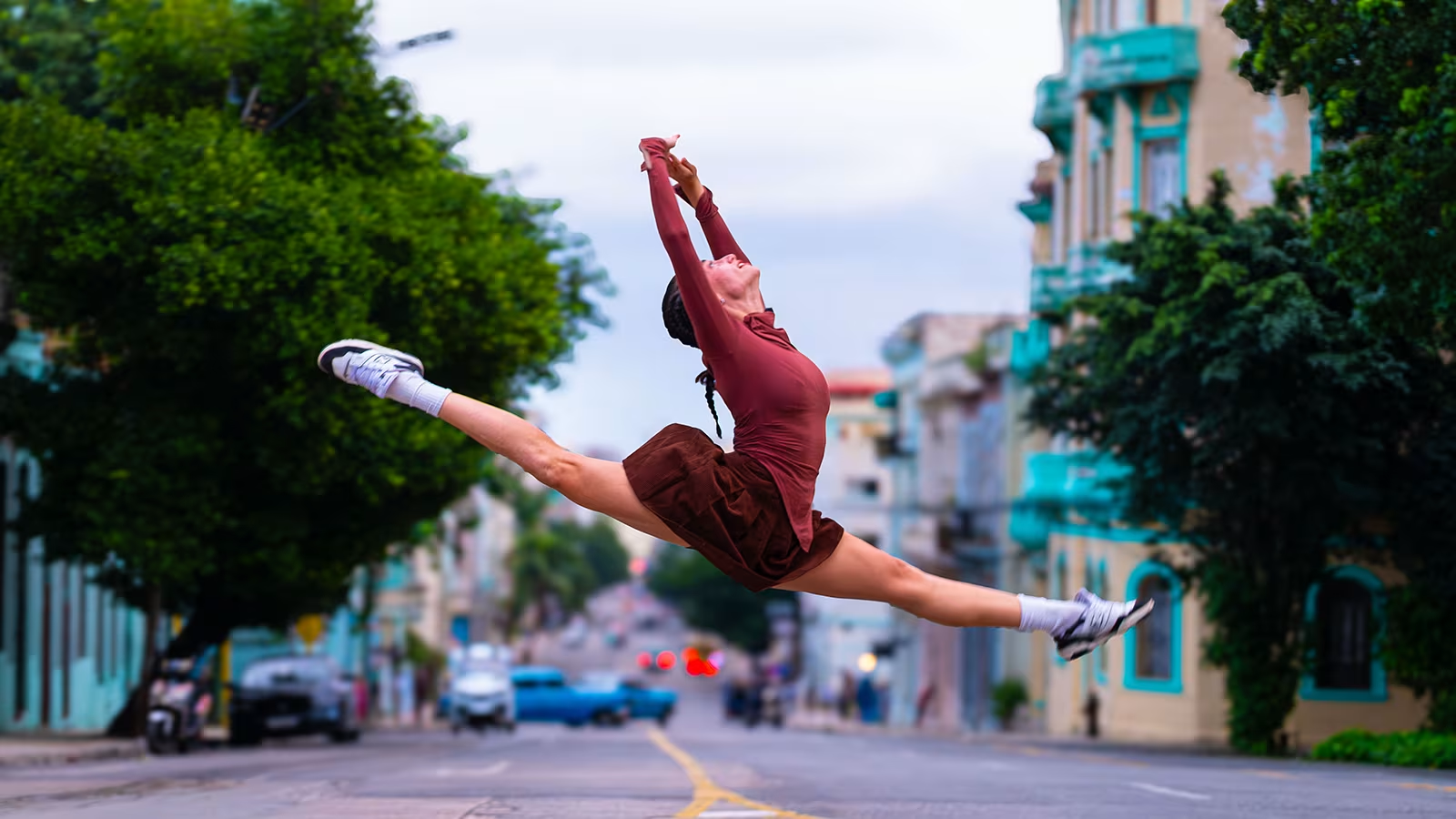
The Cuban school of ballet combines various international dance traditions and has established a globally recognized training program in Havana. In the 1950s, modern dance styles influenced Cuba, where they were combined with traditional Cuban movements to create a unique form of dance.
Cuba is home to one of the world’s most prestigious dance schools, the Escuela Nacional de Arte (ENA) in Havana. Many dancers from BALLET REVOLUCIÓN were trained there.
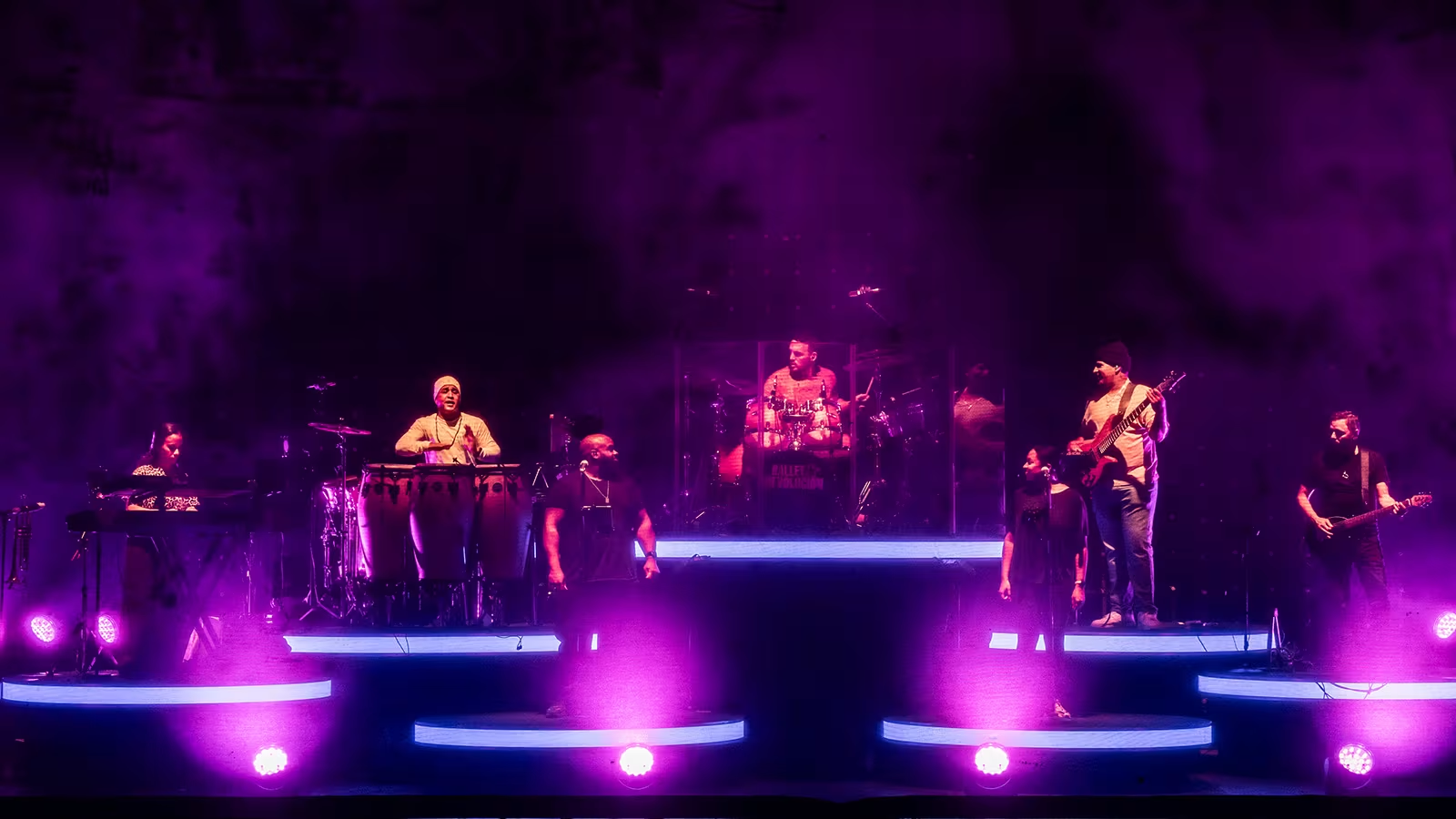
Accompanied by virtuoso musicians with a powerful groove on bass, trumpet, percussion, guitar, and drums, these top-notch singers perform international hits from pop, R&B, and hip-hop with their soulful voices.