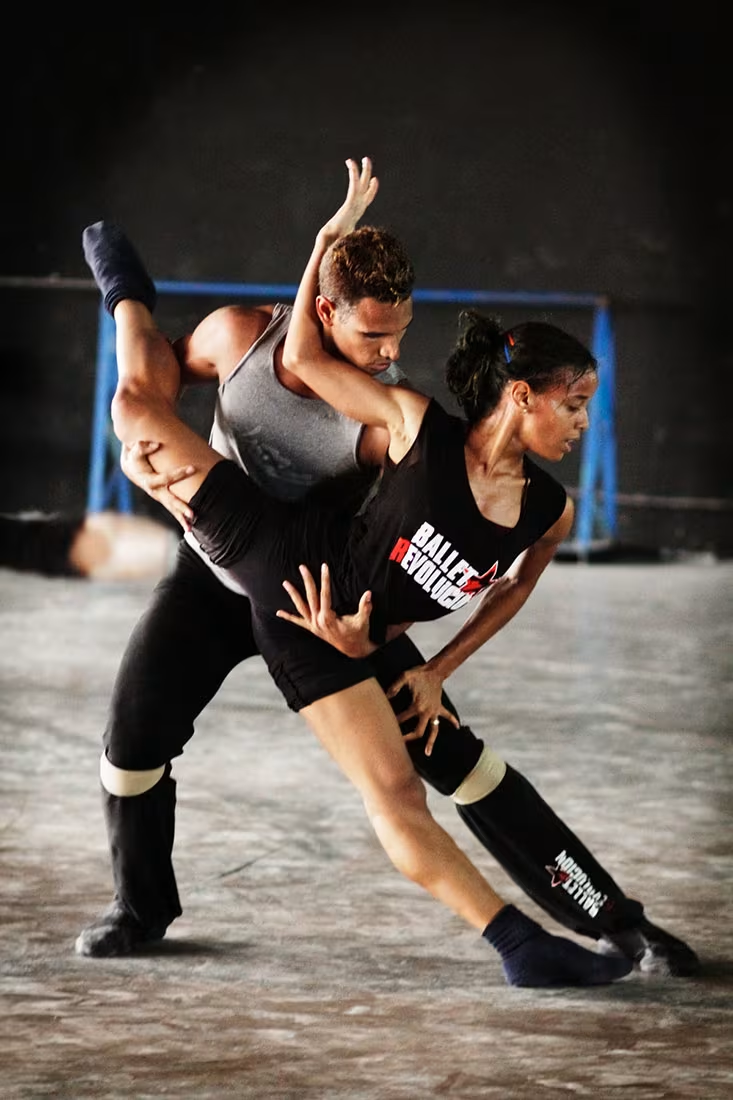
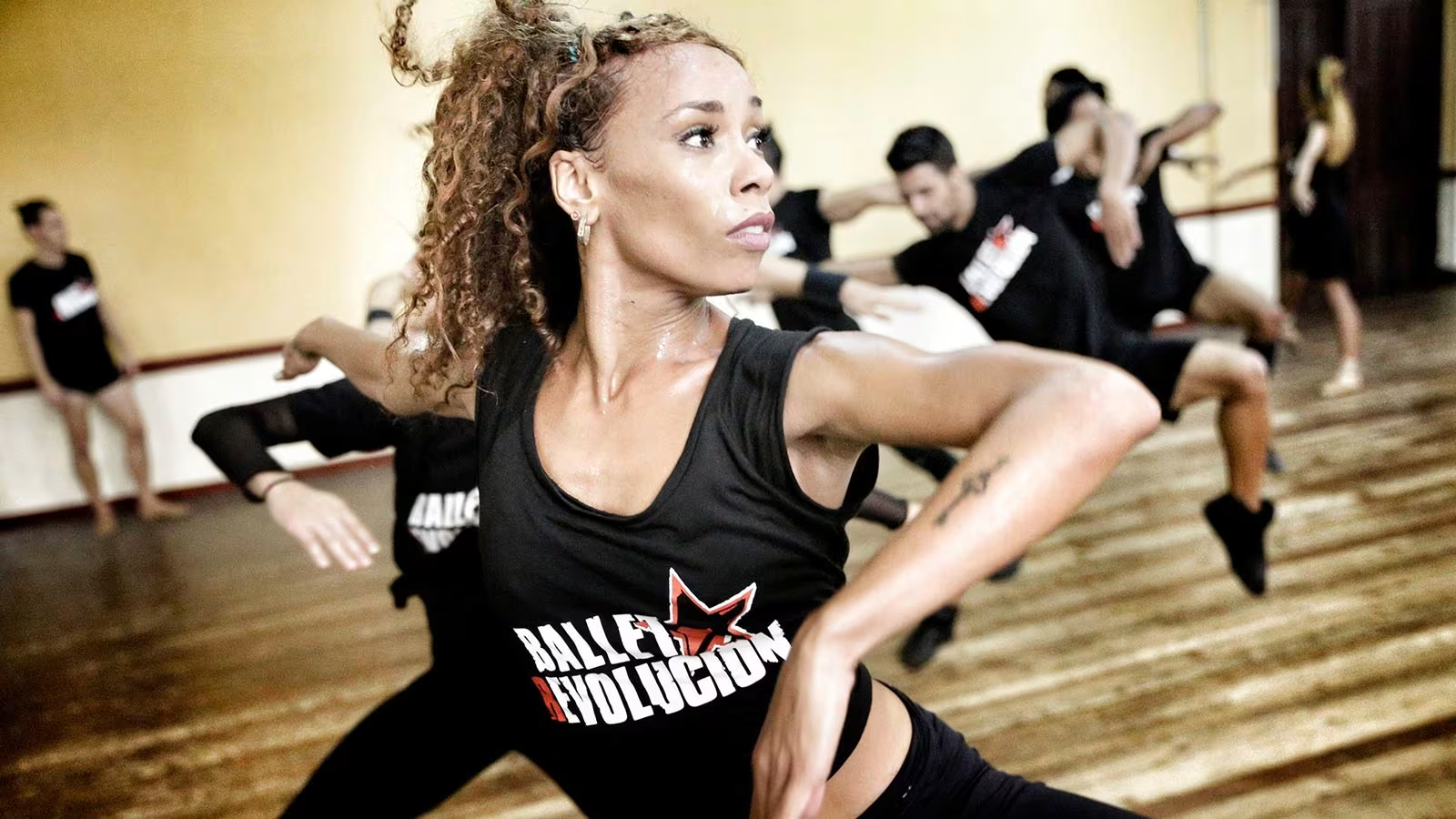
Cuba is home to one of the world’s most prestigious dance schools, the Escuela Nacional de Arte (ENA) in Havana. Many dancers from BALLET REVOLUCIÓN were trained there.
The school was founded in 1961 on Fidel Castro’s initiative. As is customary in Cuba, tuition is free. Dance training is offered alongside programs in acting, music, and visual arts and is divided into the ballet department and the “Danza Moderna y Folklórica” department. ENA graduates combine exceptional technical skills with tremendous emotional depth. Their excellent training makes them virtuosos in high demand worldwide, who are gladly welcomed into the world’s top companies.
In classical dance, the ENA has been able to draw on the great tradition of the Escuela Nacional de Ballet (ENB) from the very beginning. This tradition traces back to the Academia de Ballet Alicia Alonso and was incorporated into the university with the founding of the ENA. Here, the globally renowned Cuban style is taught in the tradition of Alicia Alonso.
The ENA has offered training in contemporary dance since 1965. That was when the “Danza Moderna y Folklórica” department was established. Incidentally, in addition to modern and contemporary dance with a specifically Cuban flavor, the school also teaches an indigenous Cuban dance form: Danza Folklórica. It combines Cuba’s musical and dance roots in rumba, son, mambo, and religious Santería dances with African and Spanish percussion and modern theatrical techniques. This art form exists in this form only in Cuba.


Alicia Alonso is the founder of the Cuban ballet style. Born in Havana in 1920, she later emigrated to the United States. She was the first Hispanic American dancer to join what is now the New York City Ballet. She collaborated with the most significant choreographers of the 20th century. She danced and created leading roles in major works and performed with the American Ballet Theatre as well as the Ballets Russes de Monte Carlo. After 1948, she danced with her own company, the Ballet Alicia Alonso. In 1951, she founded the Academia de Ballet Alicia Alonso, which was affiliated with the Escuela Nacional de Arte (ENA) ten years later. Today, the ENA is one of the most prestigious dance schools in the world. Most of the dancers in BALLET REVOLUCIÓN were trained there.
Ramiro Guerra Suárez is the father of modern dance in Cuba. After training in ballet in Havana in the 1940s, he joined the Ballets Russes de Monte Carlo. During a guest performance in New York in 1946, Guerra came into contact with the avant-garde of modern dance at the time, represented by artists such as Martha Graham, Doris Humphrey, Charles Weidman, and José Limón. Back in Cuba, he began blending modern dance with Latin American dance traditions around 1950. He founded Danza Contemporánea de Cuba, which remains the most important Cuban company for modern and contemporary dance and the birthplace of the distinctive Cuban style.
Carlos Acosta, one of the great dancers of our time, was born in Havana as one of eleven children of a truck driver. He dreamed of a career as a professional soccer player. His father, however, sent him to the Escuela Nacional de Ballet (ENB) at the age of nine — part of the renowned ENA arts academy, which produced many dancers from BALLET REVOLUCIÓN. That marked the beginning of a unique dance career: a gold medal at the 1990 Prix de Lausanne, and roles as a principal dancer with the Cuban National Ballet, the Houston Ballet, and the Royal Ballet in London. Carlos Acosta has danced nearly every male lead role in virtually every classical ballet.

The Cuban school of ballet combines various international dance traditions and has established a globally recognized training program in Havana. In the 1950s, modern dance styles influenced Cuba, where they were combined with traditional Cuban movements to create a unique form of dance.
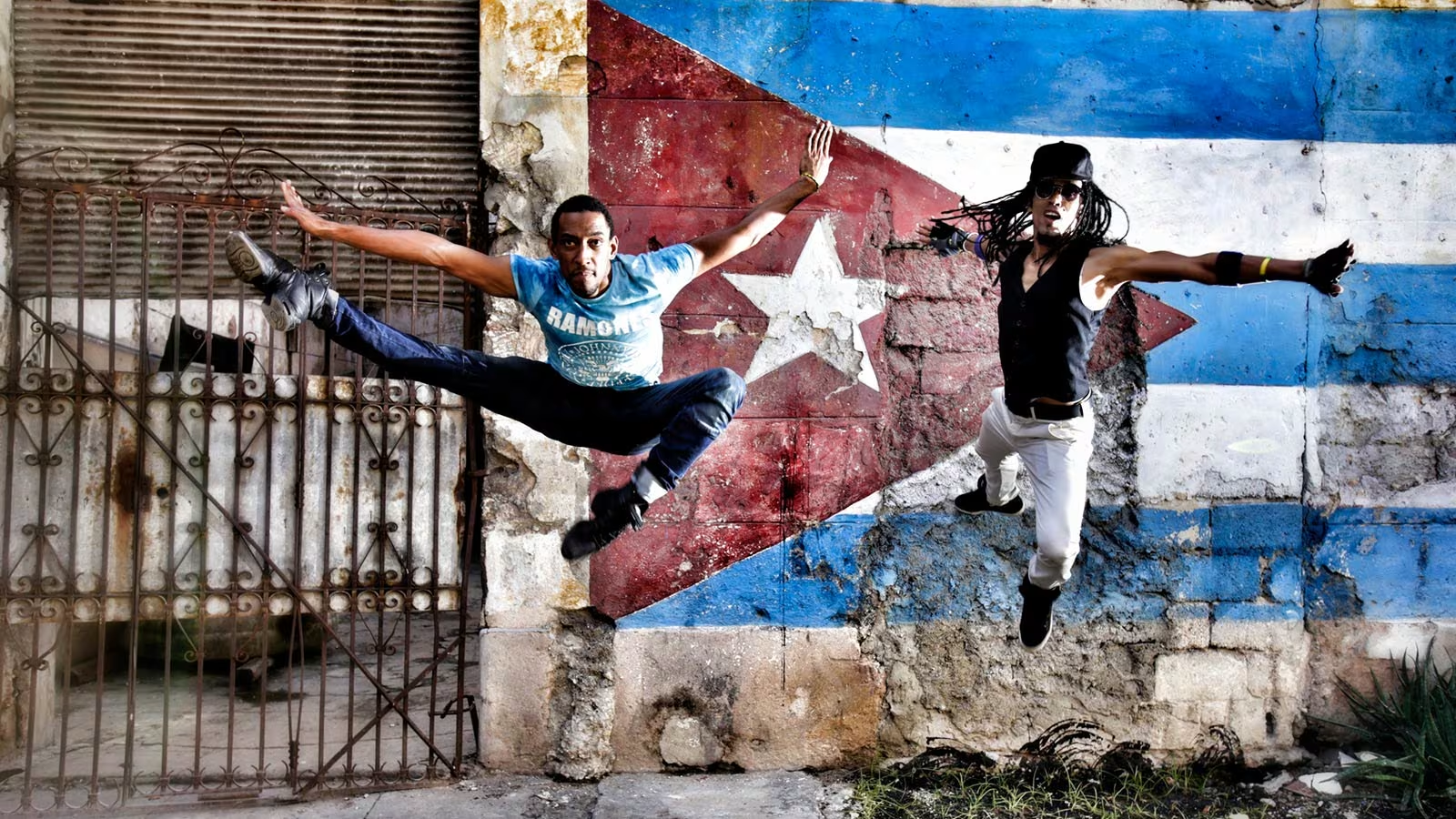
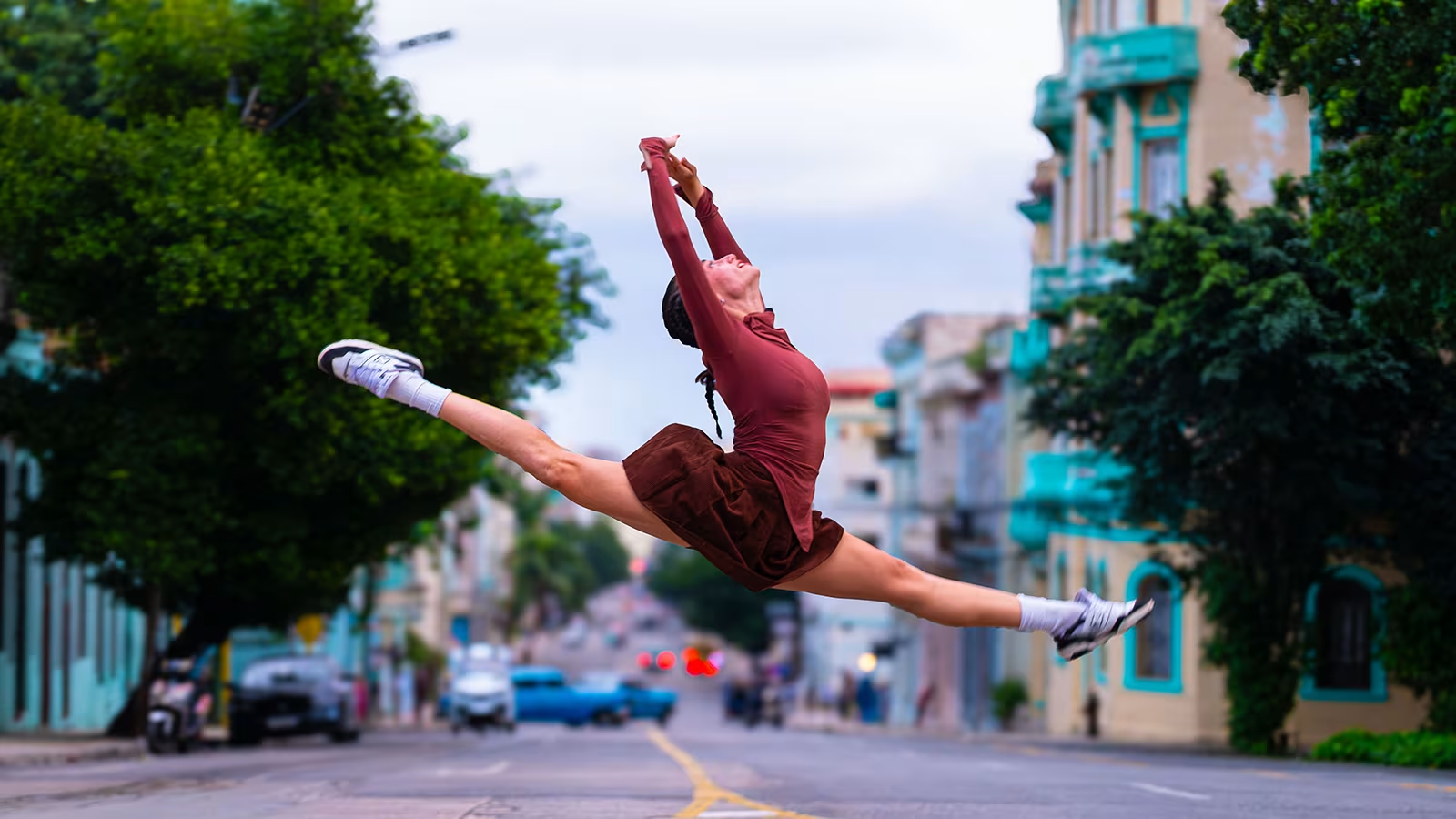
Modern dance, ballet, traditional Cuban dance, street dance: In BALLET REVOLUCIÓN, various dance styles come together to create an explosive and equally unique blend.
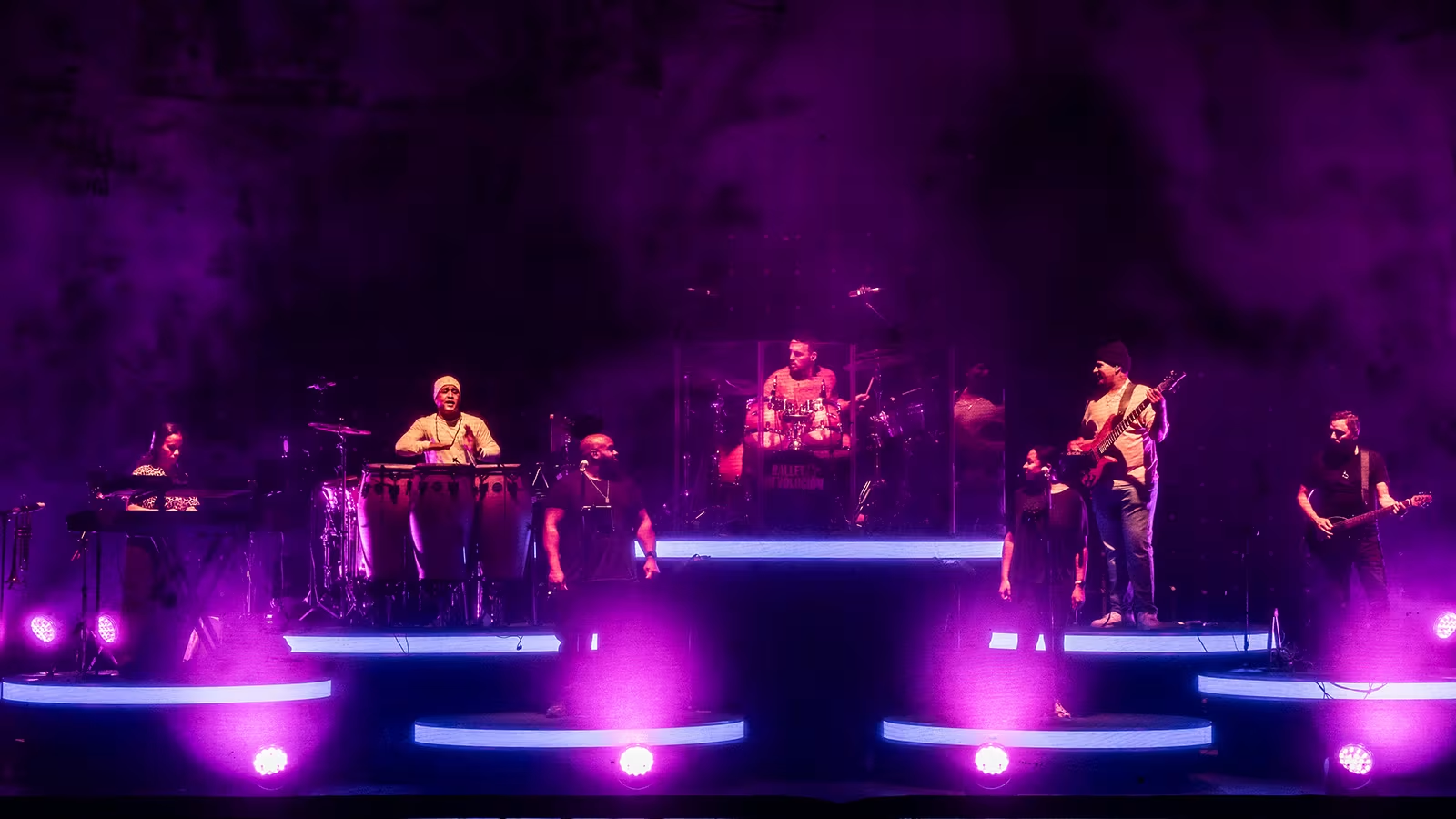
Accompanied by virtuoso musicians with a powerful groove on bass, trumpet, percussion, guitar, and drums, these top-notch singers perform international hits from pop, R&B, and hip-hop with their soulful voices.