The background
Berlin – a city of the roaring twenties
Legends of the Golden twenties

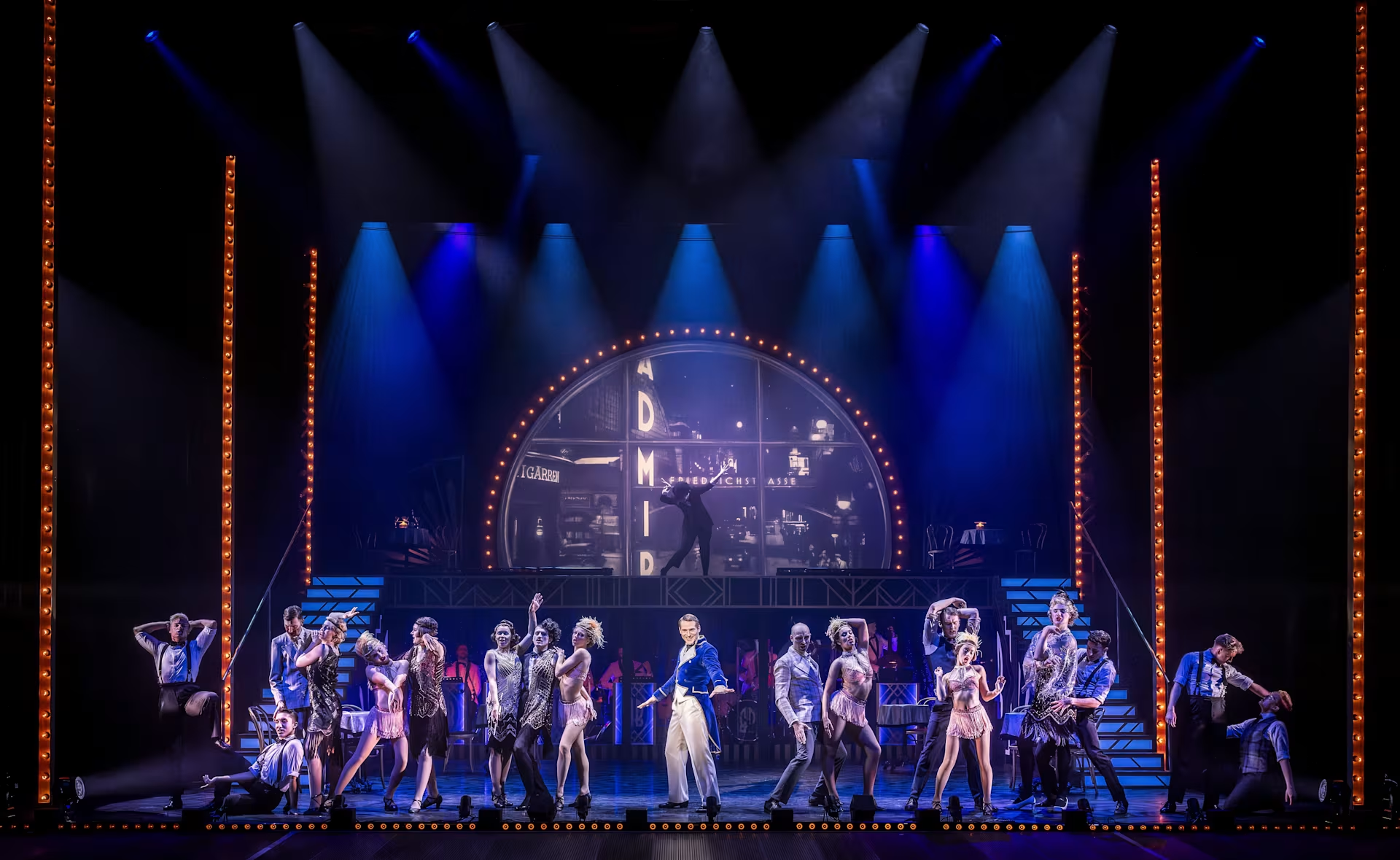
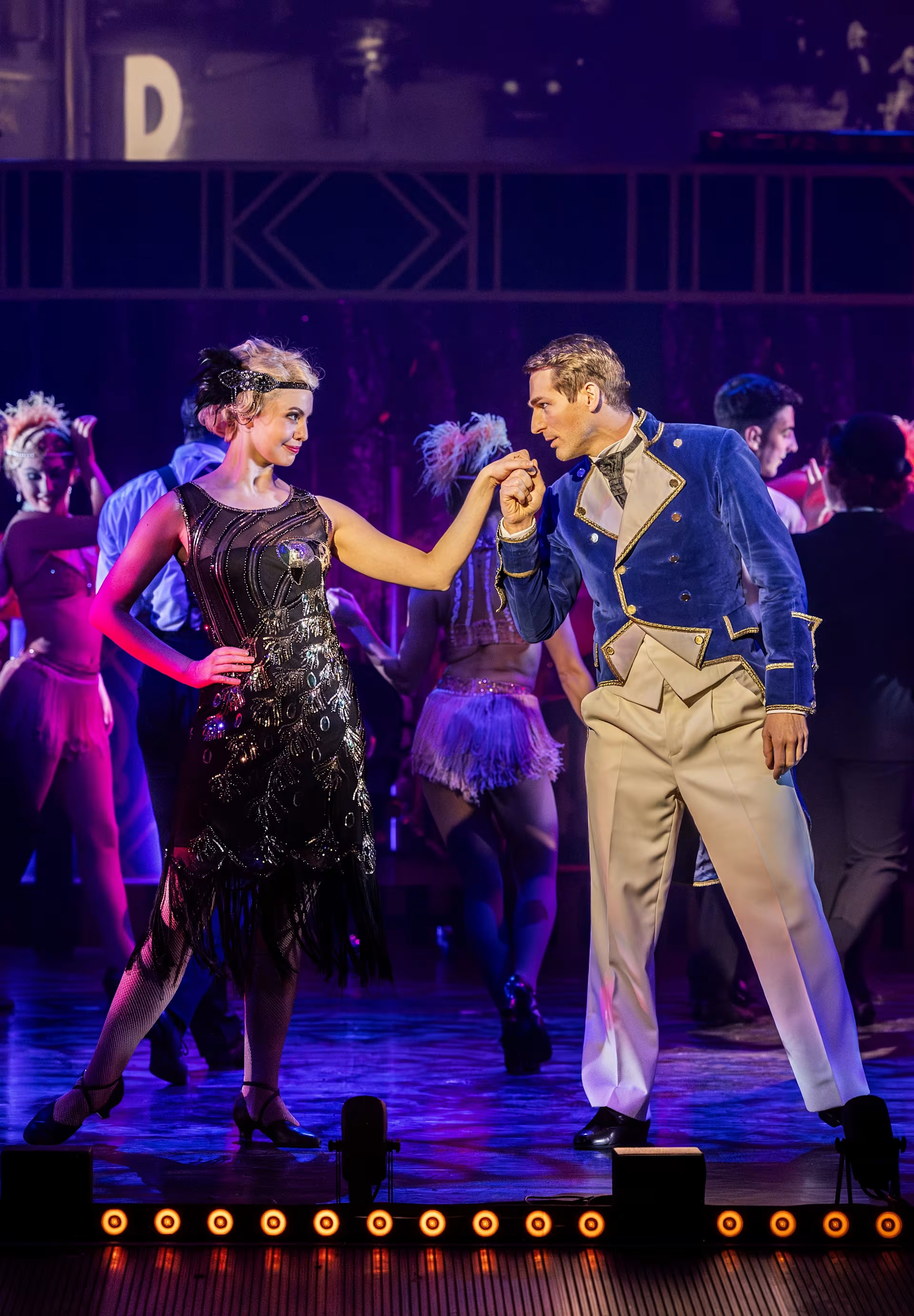
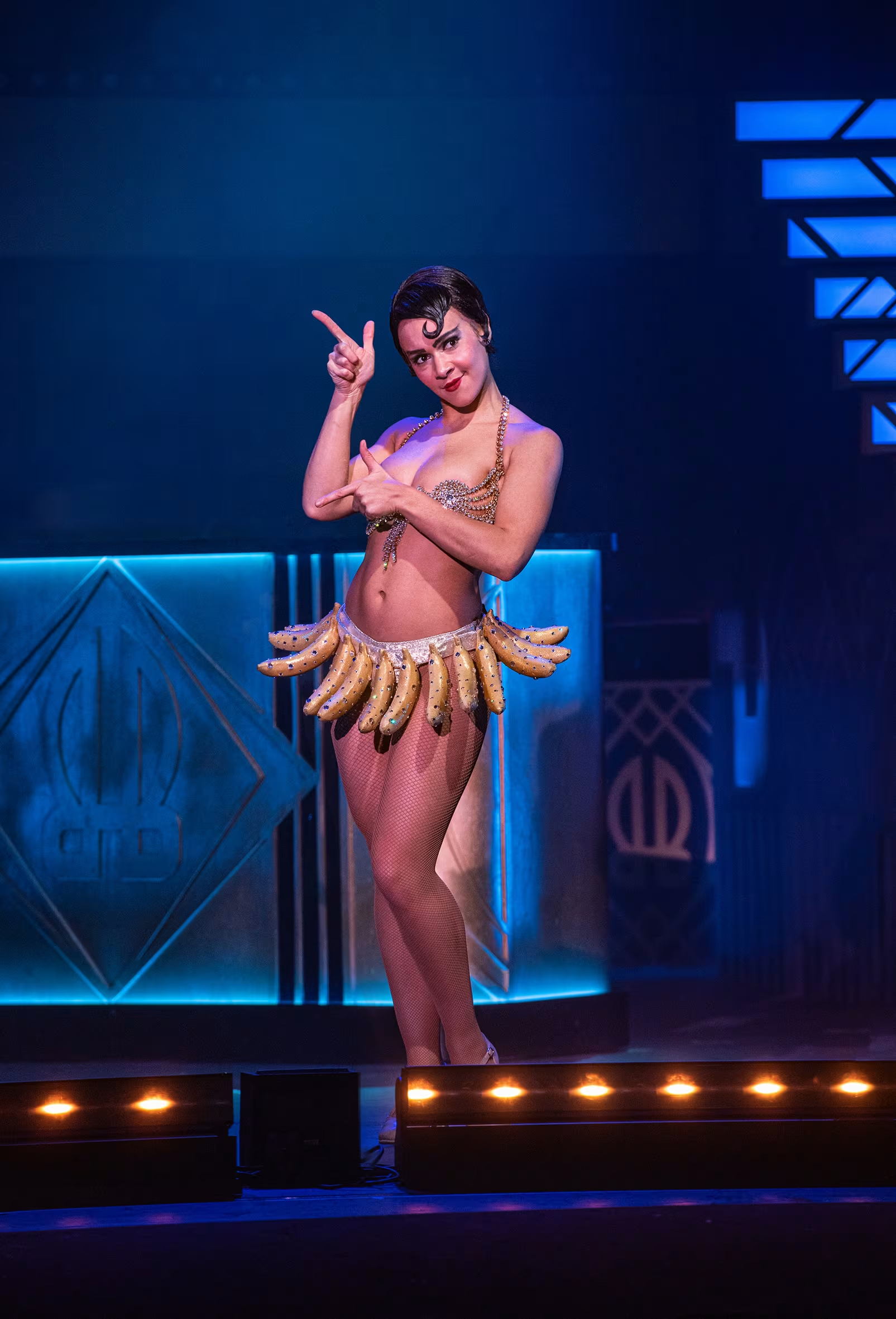
The Charleston is the most fashionable dance of the 1920s. Dancers everywhere kick out their legs and swing their arms, abandoning the strict rules of traditional social dances such as the waltz or foxtrot. Named after the American city where it was invented, the Charleston arrives in Europe at the same time as Jazz music, causing an immediate sensation. No longer are dancers required to glide serenely across the floor: Feet and legs can fly in the wildest directions, with arms and hips being flung out to balance off-key positions. What is more, the Charleston can be danced in mixed or same-sex couples (men with women, women with women or men with men) as well as alone. Josephine Baker’s legendary performances are instrumental in popularising the dance in Europe, and the first Charleston on film is performed by Bessie Love in the 1925 romantic comedy King on Main Street.
Can you dance socially in a couple and still go wild? Yes, with Lindy Hop you can! No longer restricted by a formal dance hold, it offers both freedom and real connection with a partner. Dancing Lindy Hop, everything is possible – even spectacular lifts and acrobatic tricks. The liberating dance was invented in the late 1920s and made famous by the legendary Savoy Ballroom in Harlem. By the 1930s, the whole of America had succumbed to Lindy Hop fever. People danced in ballrooms, on stage and in films, accompanied by the rousing sounds of the big bands. Popular to this day, Lindy Hop is the father of other dances such as the Jive, Boogie-Woogie and Rock ‘n’ Roll.